Practical, easy-to-understand welding guidance, real-world examples, and tools to help improve weld quality, productivity, and compliance. For welding professionals including welders, supervisors, inspectors, engineers, and business owners.
Welding Galvanized Steel
|
Trouble with text or images? View this article on your web browser Hello Reader Galvanized steel is widely used in metal fabrication because of its excellent corrosion resistance. From structural steel components and handrails to trailers, agricultural equipment, and outdoor structures, galvanizing provides a relatively inexpensive way to protect steel from corrosion and extend its service life. However, welding galvanized steel presents challenges that are not encountered when welding uncoated carbon steel. Excessive porosity, spatter, arc instability, and hazardous welding fumes are among the most common problems. The good news is that galvanized steel can be welded successfully using conventional welding processes, including GMAW (MIG), FCAW (flux-cored arc welding), and SMAW (stick welding). Understanding how the zinc coating affects the welding process—and making the necessary adjustments to joint preparation, filler metal selection, and welding technique—is essential for producing quality welds. Why Is Steel Galvanized?Galvanizing is the process of applying a protective zinc coating to steel to prevent corrosion. One of the most common methods is hot-dip galvanizing, in which fabricated steel components are immersed in molten zinc. The zinc coating protects the underlying steel in two ways. First, it acts as a physical barrier, preventing moisture and oxygen from reaching the steel surface. Second, zinc provides sacrificial protection. Because zinc is more electrochemically active than steel, it corrodes preferentially, helping protect the underlying steel even when small portions of the coating become damaged. This combination makes galvanized steel particularly valuable in outdoor environments where exposure to moisture and other corrosive elements is unavoidable. Common applications include:
Galvanized steel may be welded during initial fabrication or after galvanizing, particularly when field modifications or repairs are necessary. Although welding before galvanizing is generally preferable when practical, many fabrication operations must weld steel that already has a zinc coating. Why Is Galvanized Steel Difficult to Weld?The primary challenge when welding galvanized steel is the significant difference between the physical properties of zinc and steel. Zinc melts at approximately 787°F (419°C) and boils at approximately 1,665°F (907°C). Steel, by comparison, typically melts at temperatures above 2,500°F (1,370°C). This means that the zinc coating vaporizes long before the steel reaches its melting temperature. As the welding arc heats the joint, zinc vapor is generated. Depending on joint design, coating thickness, and welding technique, some of this vapor can become trapped in the molten weld pool. This creates several potential problems. 1. Weld PorosityPorosity is one of the most common welding discontinuities associated with galvanized steel. As zinc vapor forms, it must escape from the molten weld pool before the weld solidifies. If the vapor becomes trapped, it can produce internal or surface porosity. This problem is especially common when welding lap joints or other configurations where zinc remains trapped between overlapping surfaces. The zinc coating on the faying surfaces can continue generating vapor as welding progresses, making it difficult for the gases to escape. Research on welding zinc-coated steels has identified porosity as a significant challenge, particularly in automotive applications where galvanized materials are frequently joined using GMAW. 2. Excessive Spatter and Arc InstabilityZinc vaporization can also disrupt the welding arc and molten weld pool. This may result in excessive spatter, irregular bead appearance, and inconsistent metal transfer. The severity depends on several factors, including the welding process, electrode, shielding gas, welding parameters, and amount of zinc present near the joint. Although some spatter is expected with certain welding processes, excessive spatter increases cleanup time and can significantly reduce productivity. 3. Lack of Fusion and Other Weld DiscontinuitiesWelding over galvanized coatings can also contribute to incomplete fusion when joint preparation or welding parameters are inadequate. For example, attempting to overcome porosity by simply increasing travel speed may reduce the heat delivered to the joint and create additional problems. Similarly, welding over excessive zinc contamination can interfere with consistent weld pool behavior. The objective should not simply be to make the weld look acceptable. It should be to establish a procedure capable of producing sound welds consistently. 4. Hazardous Welding FumesPerhaps the most important concern when welding galvanized steel is exposure to zinc oxide fumes. When zinc vaporizes during welding and reacts with oxygen, it produces zinc oxide fumes that can be inhaled by the welder. Exposure can cause metal fume fever, an illness characterized by flu-like symptoms, including fever, chills, nausea, and coughing. Welding galvanized steel therefore requires appropriate exposure controls, including effective ventilation and local exhaust extraction. Respiratory protection may also be necessary depending on exposure conditions. Removing the zinc coating reduces one source of fumes but does not eliminate the normal hazards associated with welding fumes. OSHA identifies zinc oxide exposure as a particular concern when welding galvanized materials. Best Practices for Welding Galvanized SteelSuccessfully welding galvanized steel requires more than selecting the correct amperage and voltage. The following practices can help reduce discontinuities, improve productivity, and produce more consistent weld quality. 1. Remove the Zinc Coating Before Welding Whenever PossibleOne of the most effective ways to reduce problems is to remove the zinc coating from the weld area before welding. Grinding or another suitable mechanical preparation method can expose clean steel and eliminate much of the zinc that would otherwise vaporize during welding. For groove welds, remove the coating from the joint preparation and adjacent surfaces that will be affected by welding. For lap joints, removing zinc from accessible surfaces alone may not be sufficient. Zinc trapped between the overlapping plates can continue generating vapor during welding. The required preparation area depends on the joint configuration, coating thickness, and welding procedure. Important: Grinding galvanized coatings also creates airborne contaminants. Appropriate dust extraction and personal protective equipment are necessary. 2. Select the Appropriate Welding Process and Filler MetalGalvanized steel can be welded using several conventional welding processes. GMAW is commonly used for galvanized sheet metal and light fabrication because of its relatively high productivity and ease of automation. FCAW may be appropriate for heavier fabrication and structural applications, particularly when welding conditions favor its use. SMAW is also widely used for field fabrication and repair work. Filler metal selection should be based primarily on the base material, mechanical property requirements, welding position, and applicable welding code. For example, an ER70S-6 solid electrode may be suitable for certain carbon steel applications. However, its ability to tolerate some surface contamination does not eliminate the problems associated with zinc vaporization. Likewise, switching to flux-cored wire does not automatically solve galvanized steel welding problems. The welding process and consumable must be evaluated together with the joint design and welding parameters. 3. Pay Attention to Joint Design and Fit-UpJoint design plays an important role in determining whether zinc vapor can escape from the weld pool. Lap joints can be particularly troublesome because zinc may become trapped between the plates. Where permitted by the design and applicable code, modifying the joint configuration or fit-up may improve venting and reduce porosity. However, increasing the gap between components is not always an acceptable solution. Excessive gaps can introduce other problems, including burn-through, inadequate weld size, and distortion. Any changes to joint details must remain consistent with the welding procedure and applicable design requirements. 4. Optimize Welding ParametersWelding parameters influence how the molten weld pool behaves and how effectively zinc vapor escapes before solidification. Travel speed is particularly important. Excessively high travel speeds can reduce the time available for vapor to escape, potentially increasing porosity. Reducing travel speed may improve weld quality in some applications, although doing so also increases heat input and can reduce productivity. Other variables that may require adjustment include:
The best combination depends on the material thickness, joint configuration, and welding process. Rather than relying on trial and error during production, develop and verify welding parameters before beginning a large fabrication project. 5. Use Proper Ventilation and Fume ExtractionWelding galvanized steel requires special attention to fume control. Local exhaust ventilation positioned near the welding arc can help capture fumes before they enter the welder's breathing zone. General shop ventilation alone may not provide adequate protection. A proper exposure assessment should determine whether additional engineering controls or respiratory protection are necessary. Welders should also be trained to recognize the hazards associated with zinc oxide exposure. Never assume that welding galvanized steel is safe simply because the operation is performed outdoors or the fumes are not visibly excessive. Don't Forget to Restore Corrosion Protection After WeldingOne of the most commonly overlooked steps when welding galvanized steel is restoring the protective zinc coating. Whether the coating was removed before welding or damaged by welding heat, the affected area no longer has the same corrosion protection as the surrounding galvanized surface. Leaving these areas unprotected can result in premature corrosion. For hot-dip galvanized steel, ASTM A780/A780M provides methods for repairing damaged or uncoated areas. The three recognized methods are:
The appropriate method depends on the application, accessibility, required coating performance, and project specifications. The American Galvanizers Association provides additional guidance on surface preparation, repair materials, and coating thickness requirements. It is important to understand that applying ordinary paint over a weld does not necessarily restore the corrosion protection originally provided by galvanizing. Should You Weld Before or After Galvanizing?Whenever possible, fabricating and welding steel before hot-dip galvanizing is generally the preferred approach. This allows welds to be made on clean steel, reducing the problems associated with zinc vaporization. Once fabrication is complete, the entire assembly can be galvanized to provide corrosion protection. However, this approach requires proper design for galvanizing, including provisions for venting and drainage. There are also many situations where welding after galvanizing cannot be avoided. Field modifications, structural connections, repairs, and certain manufacturing processes may require welding galvanized components. In these situations, the focus should be on developing a welding procedure that addresses the additional challenges introduced by the zinc coating. Final ThoughtsWelding galvanized steel is not inherently difficult, but it does require understanding how the zinc coating affects the welding process. Porosity, excessive spatter, arc instability, and welding fumes are common challenges. Fortunately, many of these problems can be minimized through proper joint preparation, filler metal selection, welding parameters, and fume control. Whenever possible, remove the zinc coating before welding and restore corrosion protection afterward. For fabrication shops that regularly weld galvanized steel, developing and verifying welding procedures specifically for these applications can significantly improve weld quality, reduce rework, and increase productivity. The objective is not simply to produce an acceptable weld. It is to develop a process that consistently produces acceptable welds without unnecessary cost or rework. |
Welding Answers
Practical, easy-to-understand welding guidance, real-world examples, and tools to help improve weld quality, productivity, and compliance. For welding professionals including welders, supervisors, inspectors, engineers, and business owners.
Trouble with text or images? View this article on your web browser. Hello Reader Competition among welding equipment manufacturers is a great thing. Companies such as Miller, Fronius, OTC, Lincoln Electric, and others continue to develop welding machines that are more capable, easier to use, and increasingly affordable. Welders and manufacturers have benefited tremendously from these advancements. However, there is a potential downside: the belief that better welding equipment is the answer...
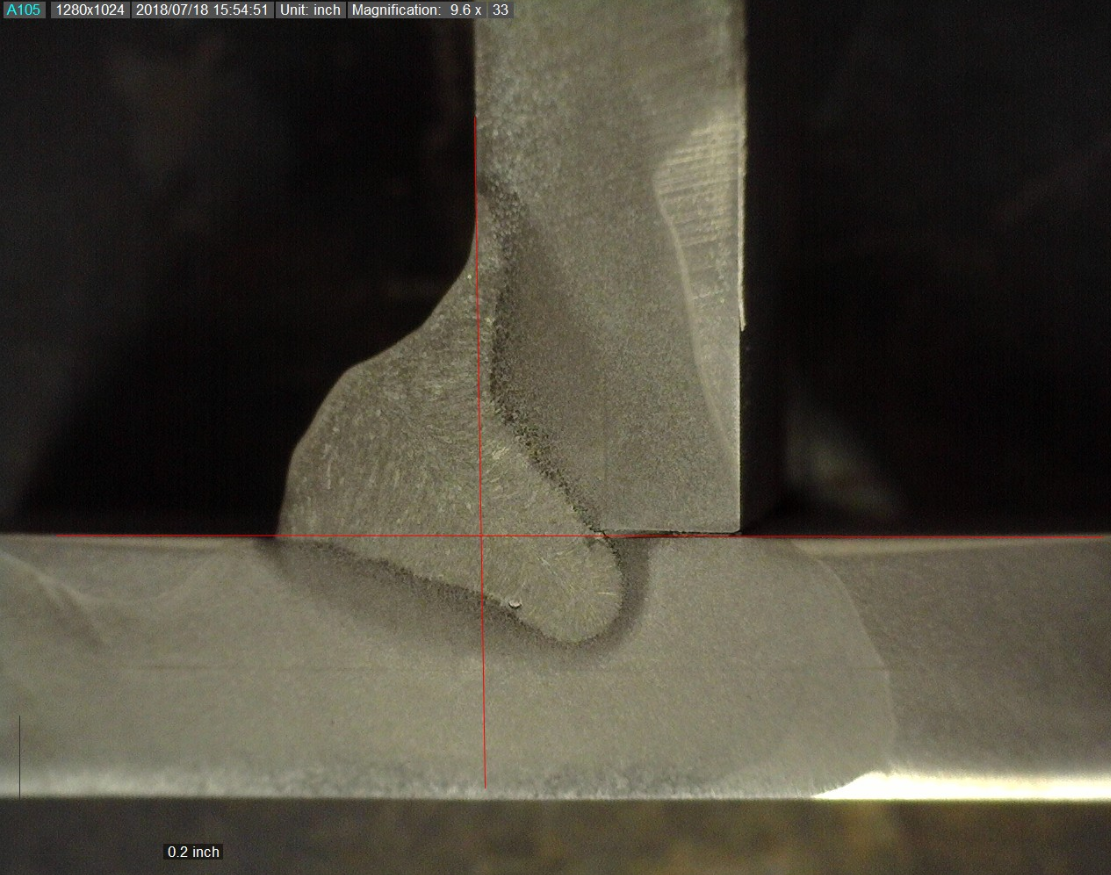
Trouble with text or images? View this article on your web browser Hello Reader Few welding discontinuities create more concern than cracks. Unlike porosity, undercut, or excessive reinforcement, cracks are almost never acceptable under structural welding codes because they can significantly reduce the strength and reliability of a welded joint. More importantly, cracks tend to propagate under service loads, meaning a small crack can eventually become a catastrophic failure. Understanding why...
Trouble with text or images? View this article in your web browser Hello Reader Cracking is a big problem in welding. Many of our customers experience cracking problems on an ongoing basis. Unfortunately, these cracks are not always detected in the shop. Many times cracking occurs once the product is in service. In these cases, cracking can lead to failure and at the very least an upset customer. In more dire cases, the failure may result in significant property damage, injury or even death....