Practical, easy-to-understand welding guidance, real-world examples, and tools to help improve weld quality, productivity, and compliance. For welding professionals including welders, supervisors, inspectors, engineers, and business owners.
How Welding Codes Are Misunderstood In Fabrication Shops
|
Trouble with text or images? View this article in your web browser Hello Reader Most welding professionals are familiar with the major structural welding codes, such as AWS D1.1 Structural Welding Code – Steel and AWS D1.6 Structural Welding Code – Stainless Steel. These documents are referenced in contract specifications, discussed during audits, and cited when problems arise. Yet in day-to-day fabrication, welding codes are often misunderstood—not because they are ignored, but because they are only partially understood or applied in isolation from the broader fabrication process. Why Welding Codes Exist in the First PlaceWelding codes exist to provide minimum requirements for structural integrity, safety, and reliability. They are not written to:
Their primary purpose is to establish boundaries within which welds can be expected to perform safely in service. This distinction is critical. A welding code defines what is acceptable, not necessarily what is optimal. The Most Common Misunderstanding: Codes Are Seen as InstructionsOne of the most frequent misconceptions is that welding codes function as step-by-step instructions for fabrication. They do not. Codes assume that:
A welding code tells you what must be satisfied, but it rarely tells you exactly how to do the work in every situation. When shops attempt to treat codes as instruction manuals, confusion often follows. Why Misinterpretation HappensThere are several reasons welding codes are misunderstood in real fabrication environments. 1. Codes Are Written in Legal and Technical LanguageWelding codes are written to be:
This often results in language that is highly technical and sometimes difficult to interpret without experience applying it in real projects. Reading a clause and understanding its intent are not always the same thing. 2. Fabrication Reality Is More Complex Than Code ExamplesCodes present:
But fabrication introduces:
A clause that appears straightforward on paper may require careful interpretation when applied to real parts on a shop floor. 3. Partial Knowledge Leads to Incorrect AssumptionsMany professionals learn parts of welding codes through:
This knowledge is valuable, but it can be incomplete. For example:
These gaps create misunderstandings that may go unnoticed until problems arise. 4. Codes Are Often Applied Without Understanding IntentEvery requirement in a welding code exists for a reason. For example:
When requirements are followed mechanically, without understanding why they exist, mistakes become more likely. Understanding intent is what allows engineers and supervisors to apply codes correctly when conditions vary. Code Compliance Is Not the Same as Weld QualityAnother common misconception is that meeting code requirements guarantees high-quality welds. In reality, code compliance establishes:
It does not guarantee:
Many welds that technically meet code requirements still create production problems, excessive rework, or unnecessary cost. This is why welding procedures, inspection systems, and quality standards must work together—not independently. Where Most Real-World Problems BeginIn many fabrication shops, quality problems occur not because codes were ignored, but because they were misapplied or incompletely understood. Common examples include:
These issues often remain hidden until:
By the time problems appear, correcting them is far more expensive than preventing them. The Role of Engineering JudgmentWelding codes are written with the expectation that engineering judgment will be applied. This includes:
Codes define boundaries—but engineers determine how to work effectively within them. Why Understanding Codes Matters More Than EverFabricators today face increasing pressure:
In this environment, misunderstanding welding codes is not just a technical issue—it becomes a business risk. Shops that truly understand how codes are applied:
This is one of the reasons welding quality systems and clear procedures are becoming more important across the industry. |
Welding Answers
Practical, easy-to-understand welding guidance, real-world examples, and tools to help improve weld quality, productivity, and compliance. For welding professionals including welders, supervisors, inspectors, engineers, and business owners.
Trouble with text or images? View this article in your web browser Hello Reader In many fabrication shops, welding engineering is viewed as something that only matters to welding engineers. The assumption is that welders should focus on making welds, inspectors should focus on acceptance criteria, and engineers should handle the technical details behind the scenes. In reality, some of the biggest quality, productivity, and rework problems in fabrication occur because critical welding...
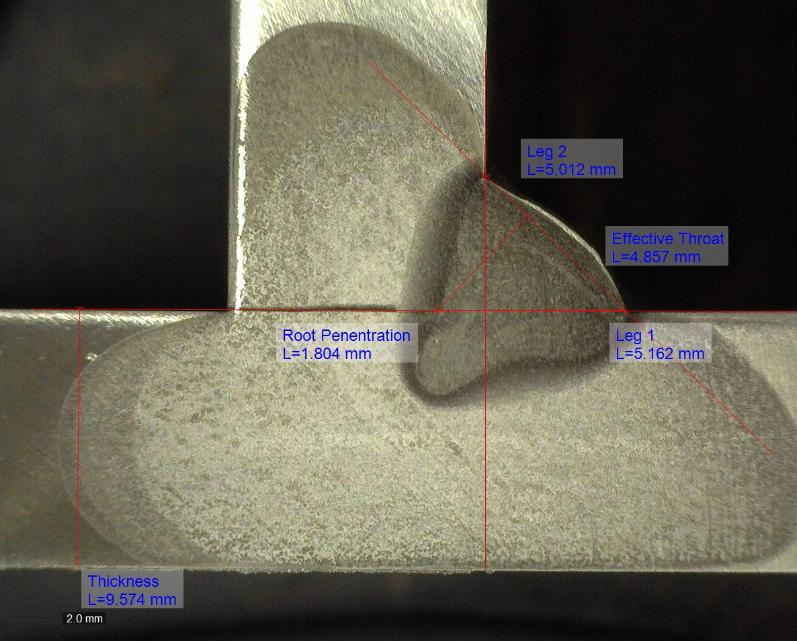
Trouble with text or images? View this article in your web browser Hello Reader The qualification of welding procedures is one of the most important steps in ensuring weld quality. A welding procedure may look good on paper, but unless it has been tested—or developed within the limits of an accepted prequalified procedure—there is no assurance that it can consistently produce sound welds. As discussed throughout this series, welding quality is not determined by appearance alone. Proper...
Trouble seeing images or text? View this article on your web browser Hello Reader, What drives the need for preheat prior to welding carbon steels? Is it carbon content, material thickness, welding process, or all of the above? We get asked this question all the time so we decided to update a previous article on this topic. Preheat is used when a base material, due to its chemical composition, thickness or level or restraint, is susceptible to cold cracking. Knowing what temperature to...