Practical, easy-to-understand welding guidance, real-world examples, and tools to help improve weld quality, productivity, and compliance. For welding professionals including welders, supervisors, inspectors, engineers, and business owners.
3 Simple Changes That Can Dramatically Reduce Rework
|
Trouble with text or images? View this article on your web browser Hello Reader Rework is one of the largest hidden costs in welding. When a weld is rejected, the cost extends far beyond simply making another weld. The original weld must be removed, the joint prepared again, the weld deposited a second time, and in many cases the repair must be inspected before the product can move forward. What should have been completed once now requires three separate operations—and sometimes even more. For fabrication shops operating on tight margins, reducing welding rework is one of the fastest ways to improve productivity and profitability. As discussed throughout our many articles, welding quality is rarely the result of a single variable. Rework can be caused by improper welding procedures, poor equipment maintenance, inadequate training, incorrect welding parameters, poor fit-up, or many other factors. However, after working with hundreds of fabrication shops, we have found that three improvements consistently produce the greatest reduction in welding rework. The Three Biggest Sources of Welding ReworkRework appears in many different forms, but most welding-related repairs originate from three broad categories:
Each of these problems can have multiple root causes. For example, excessive spatter may result from:
Because there are so many possible causes, many shops attempt to solve rework by changing numerous variables at once. Our experience suggests a simpler approach. If we had to recommend only three changes that consistently produce meaningful reductions in rework, they would be:
Let's look at each in more detail. 1. Stop OverweldingOne of the most common misconceptions in welding is that a larger weld is automatically a stronger weld. In reality, overwelding creates unnecessary cost while increasing the likelihood of quality problems. Oversized welds consume more:
They also increase the potential for:
If you could improve only one aspect of your welding operation, controlling weld size would likely provide one of the highest returns. If you manufacture products of your own design, ensure your engineers understand how to properly size welds or have access to software capable of calculating minimum required weld sizes. If you fabricate to customer drawings, encourage customers to specify weld sizes whenever possible. Many customers, however, rely on the fabricator to determine appropriate weld sizes. This is where many shops unintentionally increase costs. It is common to find production fillet welds that are two or even three sizes larger than necessary. A weld designed as a 3/16-inch fillet may routinely become a 5/16-inch or even a 3/8-inch fillet. That additional weld metal provides little or no structural benefit while increasing labor, material costs, distortion, and rework. If you'd like to better understand this topic, read Bigger Welds Are Not Always Better. 2. Use Properly Developed Welding ProceduresProperly developed welding procedures are one of the most effective tools for improving weld quality. A Welding Procedure Specification (WPS) establishes the welding variables necessary to consistently produce acceptable welds. When procedures are developed and qualified correctly, they provide reasonable assurance that the selected process, parameters, and joint design will produce sound welds. Of course, welding procedures alone do not guarantee quality. Welder skill remains essential, which is why every welding quality program should include welder performance qualification testing. Together, qualified welders and qualified welding procedures significantly reduce variation throughout production. For fabrication shops that do not employ a full-time welding engineer, prequalified welding procedures can be an excellent solution. Codes such as AWS D1.1 Structural Welding Code – Steel permit the use of prequalified WPSs provided all code requirements are satisfied. Because these procedures follow established limitations for materials, joint details, filler metals, and welding variables, they provide a practical way to implement consistent, code-compliant welding procedures without performing qualification testing. 3. Properly Maintain Welding EquipmentMany fabrication shops proudly operate welding machines that have been in service for decades. Age itself is not the problem. The problem is neglecting preventive maintenance. Like any industrial equipment, welding power sources require routine inspection and maintenance to maintain consistent output. As components wear, loose electrical connections develop, cables deteriorate, and contact resistance increases, welding performance changes. Even relatively small voltage losses can alter arc characteristics enough to produce:
Simple issues such as loose work clamps, damaged leads, undersized cables, or worn connections often contribute to unnecessary rework. A quick walk through your shop can reveal many potential problems. Ask yourself:
Correcting these issues is often inexpensive but can have a measurable impact on weld quality. Small Changes Can Produce Big ResultsEach of these recommendations may appear simple. However, consistently controlling weld size, using qualified welding procedures, and maintaining welding equipment addresses many of the root causes responsible for welding rework. Rather than continually repairing defects after they occur, these practices help prevent many quality problems from occurring in the first place. If your shop is struggling with excessive rework, these three areas are excellent places to begin. A Practical Starting PointIf you'd like to evaluate your welding operation, download our free How to Write AWS D1.1 Prequalified Welding Procedures guide. It walks through the process of developing code-compliant prequalified WPSs for carbon steel and explains the requirements of AWS D1.1 Structural Welding Code – Steel in a practical, step-by-step format. Need Welding Procedures Right Away?If you need code-compliant welding procedures immediately, the following collections are available:
These procedures were developed by welding engineers and Certified Welding Inspectors and are in full conformance with their applicable AWS structural welding codes.They provide immediate coverage when speed, consistency, and compliance matter. |
Welding Answers
Practical, easy-to-understand welding guidance, real-world examples, and tools to help improve weld quality, productivity, and compliance. For welding professionals including welders, supervisors, inspectors, engineers, and business owners.
Trouble with text or images? View this article on your web browser Hello Reader Galvanized steel is widely used in metal fabrication because of its excellent corrosion resistance. From structural steel components and handrails to trailers, agricultural equipment, and outdoor structures, galvanizing provides a relatively inexpensive way to protect steel from corrosion and extend its service life. However, welding galvanized steel presents challenges that are not encountered when welding...
Trouble with text or images? View this article on your web browser. Hello Reader Competition among welding equipment manufacturers is a great thing. Companies such as Miller, Fronius, OTC, Lincoln Electric, and others continue to develop welding machines that are more capable, easier to use, and increasingly affordable. Welders and manufacturers have benefited tremendously from these advancements. However, there is a potential downside: the belief that better welding equipment is the answer...
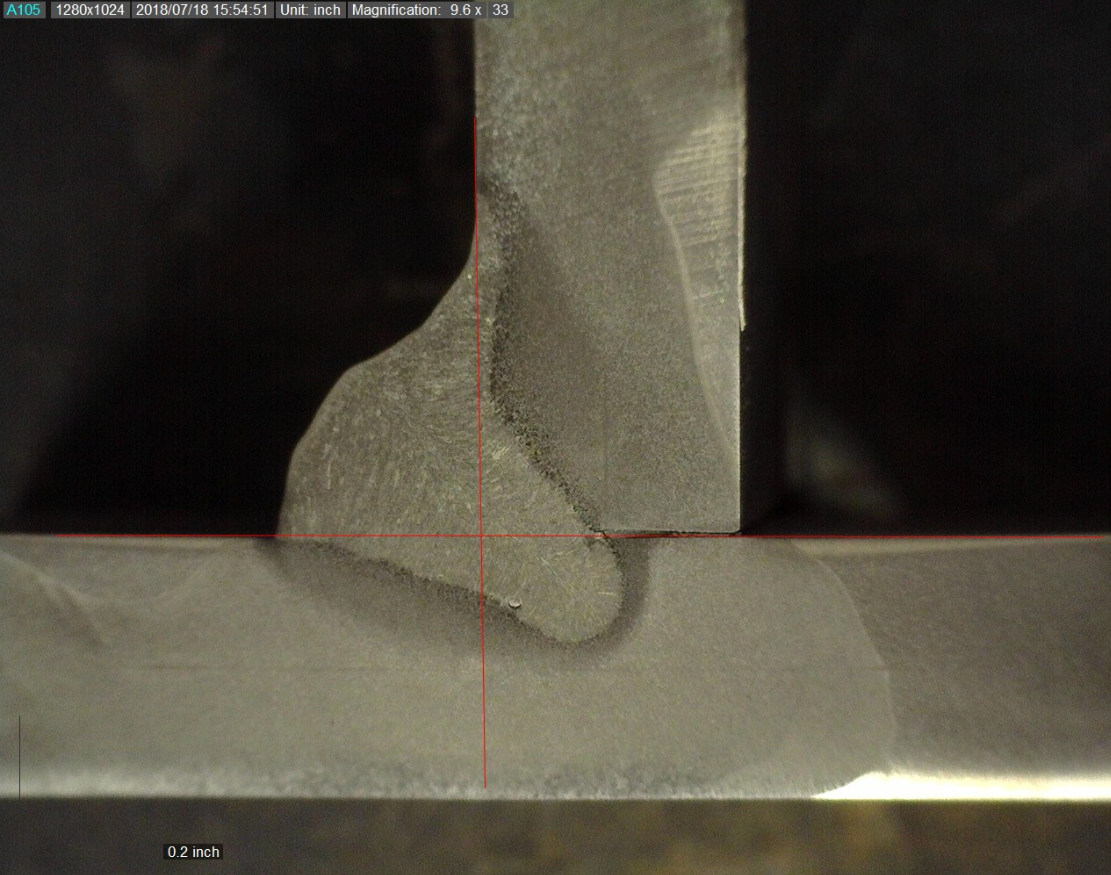
Trouble with text or images? View this article on your web browser Hello Reader Few welding discontinuities create more concern than cracks. Unlike porosity, undercut, or excessive reinforcement, cracks are almost never acceptable under structural welding codes because they can significantly reduce the strength and reliability of a welded joint. More importantly, cracks tend to propagate under service loads, meaning a small crack can eventually become a catastrophic failure. Understanding why...