Trouble with text or images? View this article on your web browser. Hello Reader Competition among welding equipment manufacturers is a great thing. Companies such as Miller, Fronius, OTC, Lincoln Electric, and others continue to develop welding machines that are more capable, easier to use, and increasingly affordable. Welders and manufacturers have benefited tremendously from these advancements. However, there is a potential downside: the belief that better welding equipment is the answer...
12 days ago • 5 min read
Trouble with text or images? View this article on your web browser Hello Reader Few welding discontinuities create more concern than cracks. Unlike porosity, undercut, or excessive reinforcement, cracks are almost never acceptable under structural welding codes because they can significantly reduce the strength and reliability of a welded joint. More importantly, cracks tend to propagate under service loads, meaning a small crack can eventually become a catastrophic failure. Understanding why...
3 months ago • 6 min read
Trouble with text or images? View this article in your web browser Hello Reader Cracking is a big problem in welding. Many of our customers experience cracking problems on an ongoing basis. Unfortunately, these cracks are not always detected in the shop. Many times cracking occurs once the product is in service. In these cases, cracking can lead to failure and at the very least an upset customer. In more dire cases, the failure may result in significant property damage, injury or even death....
3 months ago • 2 min read
Trouble with text or images? View this article on your web browser Hello Reader Rework is one of the largest hidden costs in welding. When a weld is rejected, the cost extends far beyond simply making another weld. The original weld must be removed, the joint prepared again, the weld deposited a second time, and in many cases the repair must be inspected before the product can move forward. What should have been completed once now requires three separate operations—and sometimes even more....
4 months ago • 4 min read
Trouble with text or images? View this article in your web browser Hello Reader In many fabrication shops, welding engineering is viewed as something that only matters to welding engineers. The assumption is that welders should focus on making welds, inspectors should focus on acceptance criteria, and engineers should handle the technical details behind the scenes. In reality, some of the biggest quality, productivity, and rework problems in fabrication occur because critical welding...
5 months ago • 4 min read
Trouble with text or images? View this article in your web browser Hello Reader The qualification of welding procedures is one of the most important steps in ensuring weld quality. A welding procedure may look good on paper, but unless it has been tested—or developed within the limits of an accepted prequalified procedure—there is no assurance that it can consistently produce sound welds. As discussed throughout this series, welding quality is not determined by appearance alone. Proper...
5 months ago • 4 min read
Trouble seeing images or text? View this article on your web browser Hello Reader, What drives the need for preheat prior to welding carbon steels? Is it carbon content, material thickness, welding process, or all of the above? We get asked this question all the time so we decided to update a previous article on this topic. Preheat is used when a base material, due to its chemical composition, thickness or level or restraint, is susceptible to cold cracking. Knowing what temperature to...
6 months ago • 5 min read
Trouble with text or images? View this in your web browser Hello Reader Stainless steel can be challenging to weld. Especially if most of your experience in welding has been with carbon steel. Stainless steels possess many properties that make them different from those of carbon steels. These differences provide certain advantages, such as corrosion resistance, but we must be aware of some of the intricacies of welding stainless steel to avoid problems. Many welding professionals, including...
6 months ago • 2 min read
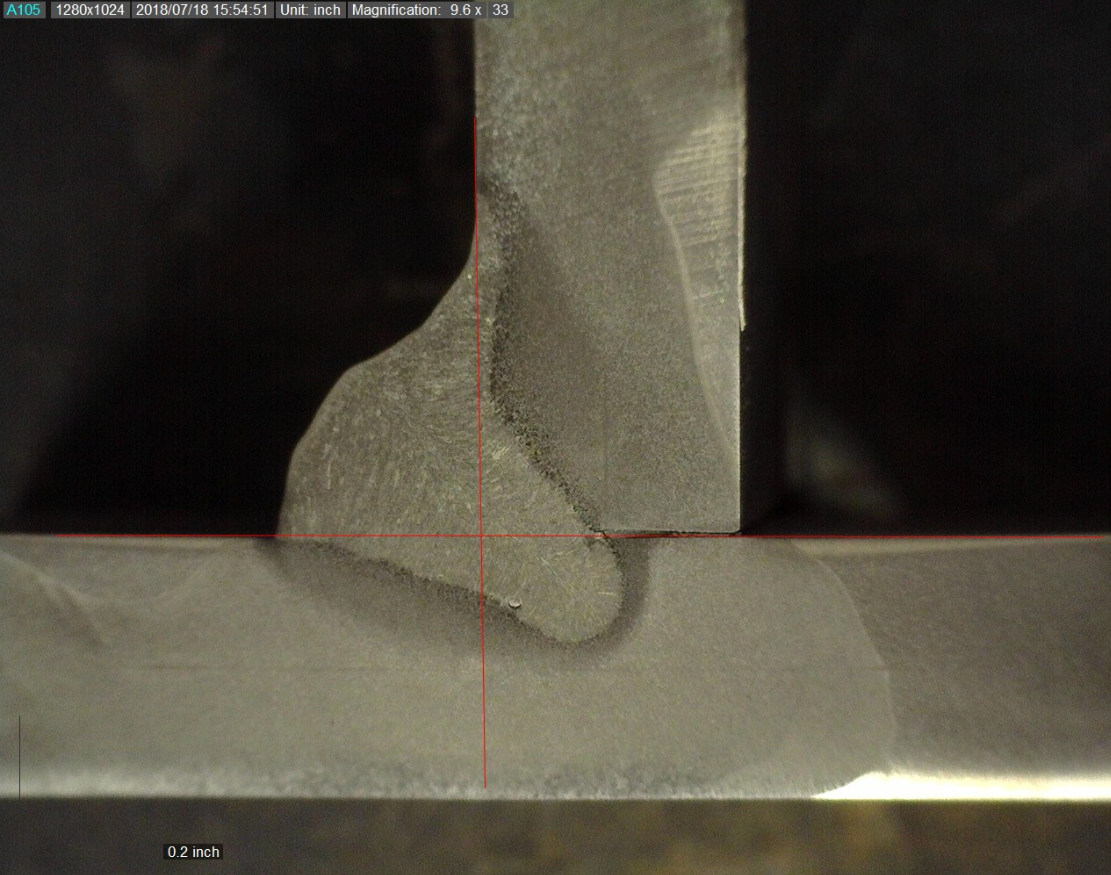
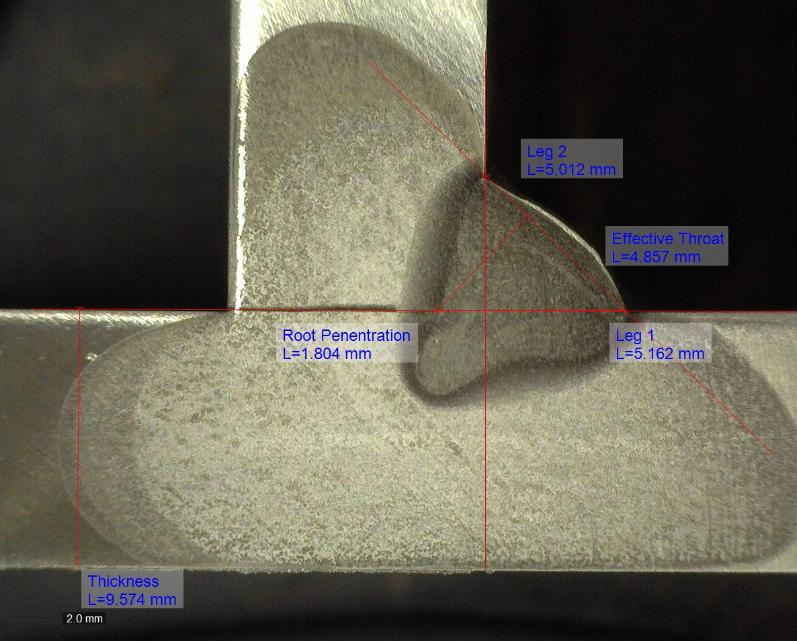
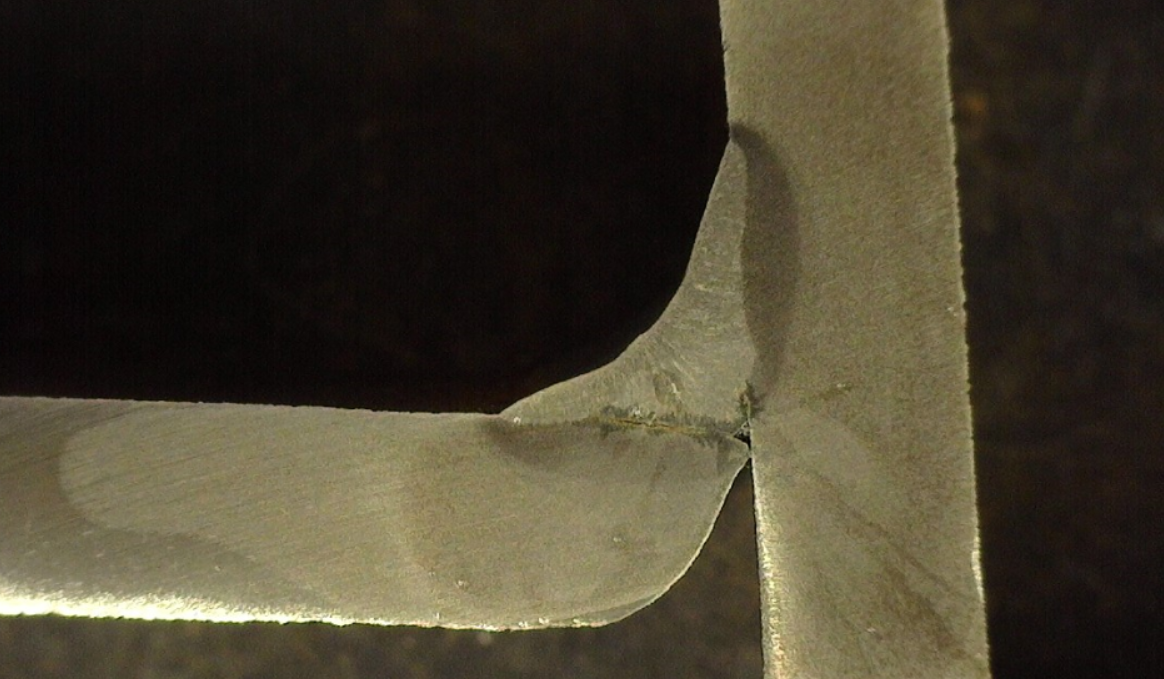
Trouble seeing text or images? View this article in your web browser Hello Reader, We constantly hear welding experts, welding engineers, CWIs and other industry professionals say that concave fillet welds are bad and should not be allowed. This is a hard stance that may be supported by field failure, but more often than not only by anecdotal evidence. However, it is worth noting that a concave fillet weld is not necessary a problem and sometimes it provides a desirable bead profile. The...
6 months ago • 2 min read